
Wembley, the Maracana and San Siro: Three Grounds That Made History
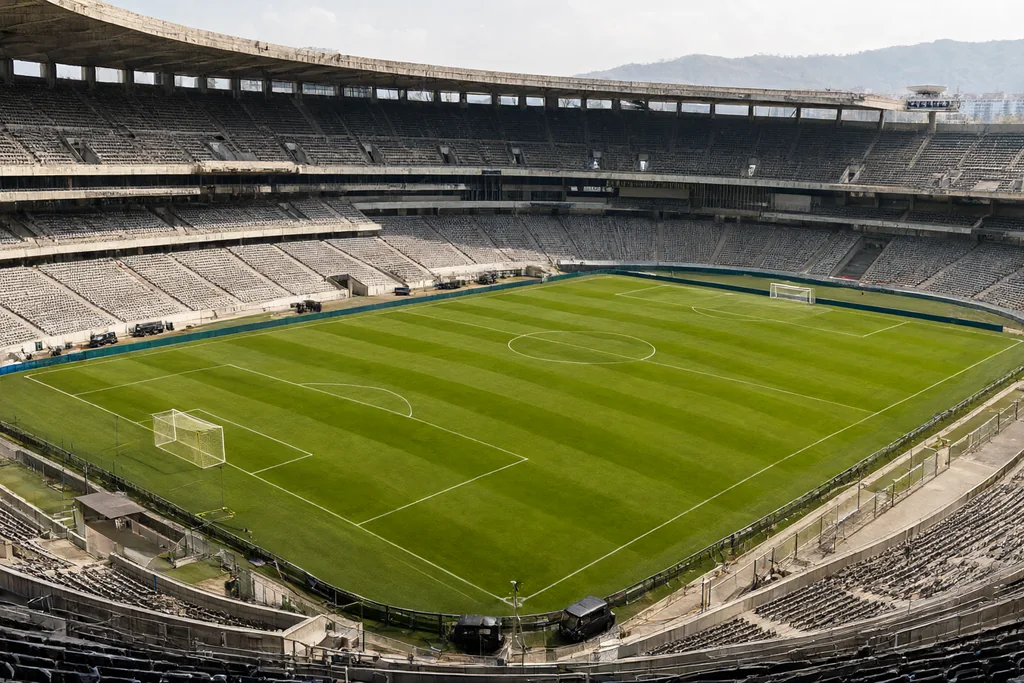
Great stadiums are not great because of their capacity. They are great because a specific event happened inside them, in front of a specific crowd, and the building became the memory. Football history has a handful of grounds that carried the game across decades, and three of them did it on three different continents with three completely different personalities.
The old Wembley, the Maracana and San Siro are the standard against which every modern arena is still judged. Between them they cover the birth of the global game, the moment it became a mass spectacle and the era in which it became a business.
The twin towers and the stadium built for an empire
The first of the three was designed as the centrepiece of a great exhibition and instantly became the home of the national game. Its twin towers were visible from across the city, its tunnel and its royal box turned a walk onto the pitch into a ceremony, and for generations a cup final there was the one match every English child wanted to attend.
What made it historically decisive was its neutrality. A ground shared by a national team and by showpiece finals could become the setting for events that belonged to everybody, which is why so many defining matches of the twentieth century happened in the same building and why its demolition was argued over nationally.
- Built as the centrepiece of a national exhibition and converted to a stadium.
- Neutral venue for cup finals and the national team.
- Defining site of a home World Cup triumph and one of the most disputed goals ever scored.
- Rebuilt in the modern era, keeping the name and losing the towers.
The biggest crowd the game has ever had
The second ground was built to hold a nation's ambition and ended up hosting the largest attendance in the sport's history, in a match that has a single word in football's vocabulary and no equivalent elsewhere. A host nation expected to be crowned in front of a home crowd was beaten by its neighbour in near silence.
That result permanently attached a name to the ground. The stadium became a place where the impossible was possible, and the reputation attracted the great nights that followed: club finals, continental finals and a World Cup final that went to penalties.
The cathedral of the two clubs
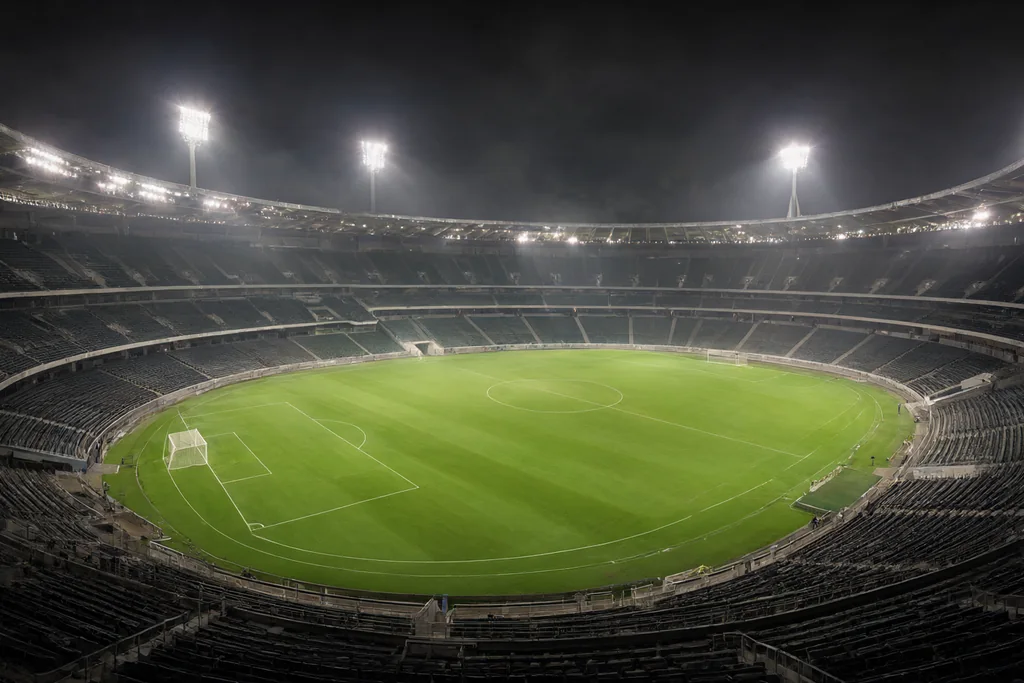
The third was built in a northern Italian city and shared by two rivals from the same neighbourhood, which gave it a strange double identity. On one weekend it roars for one half of the city and on the next for the other, and the building has hosted two of Europe's most decorated clubs as tenants for most of its life.
| Ground | Defining character | Historical contribution |
|---|---|---|
| The old Wembley | National neutral cathedral with towers | Home of finals and one defining triumph |
| The Maracana | Mass spectacle in a host nation | Site of the biggest crowd and the biggest shock |
| San Siro | Shared home of two rivals | European nights and continental prestige |
| Modern replacements | Seated, covered, corporate | Continuity of name, break in atmosphere |
The modern rebuild and what was lost
All three grounds have been rebuilt, extended or replaced, and the conversation in each case sounded identical. The new version is safer, more comfortable, better lit and better paid for. The old version was louder, closer to the pitch and harder to sit in for two hours, and supporters mourned details nobody had ever designed as features.
Terraces became seats, corners were filled in, roofs closed over the stands, and the acoustic character changed permanently. A modern stadium generates less noise per person because the crowd is further from the pitch and separated into corporate tiers, which is why the recorded atmosphere of older finals sounds so foreign now.
Why atmosphere cannot be designed
Atmosphere is an accident of architecture and habit rather than a specification. Steep, close, uncovered terraces hold sound and put thousands of people within metres of the action; a bowl with a wide concourse and a roof that traps sound in the wrong direction will feel quieter even with more people inside it. Engineers can measure noise but cannot manufacture the conditions that produced it.
That is why supporters argue about stadium redevelopment with the intensity usually reserved for transfers. They are not defending concrete. They are defending the physical conditions under which their best football memories were made, and no rebuild can put those back.
What the great grounds actually preserve
Wembley, the Maracana and San Siro are historic because they hosted the moments the game tells stories about, and because the buildings became shorthand for those events. The turf has been replaced many times, the stands rebuilt, the name sometimes sold, and the meaning survives anyway.
This is the vault's point about football geography. A ground is a container for memory, and the greatest ones hold several generations of it. The next time a new arena opens with a naming sponsorship and a flawless concourse, judge it in fifty years. History is the only specification that has never been outbid.
Keep digging in the vault

Olympe VIP Elysium: rungs, 2500 € cap and when not to chase
The badge does not skip KYC. Let the club follow volume you were already playing.
2026-09-08
The Match Ball: Weight, Panels and the End of the Wet-Weight Problem
The laws never named a material, a panel count or a pressure. The ball rewrote what players could physically do anyway.
2026-09-07
The Bench Was Illegal: How Substitutes Won Their Place
For nearly a century a team was the eleven who started. The bench arrived because one injury made the old rule impossible to defend.
2026-09-06