
1992: The Back-Pass Ban That Changed Football Forever
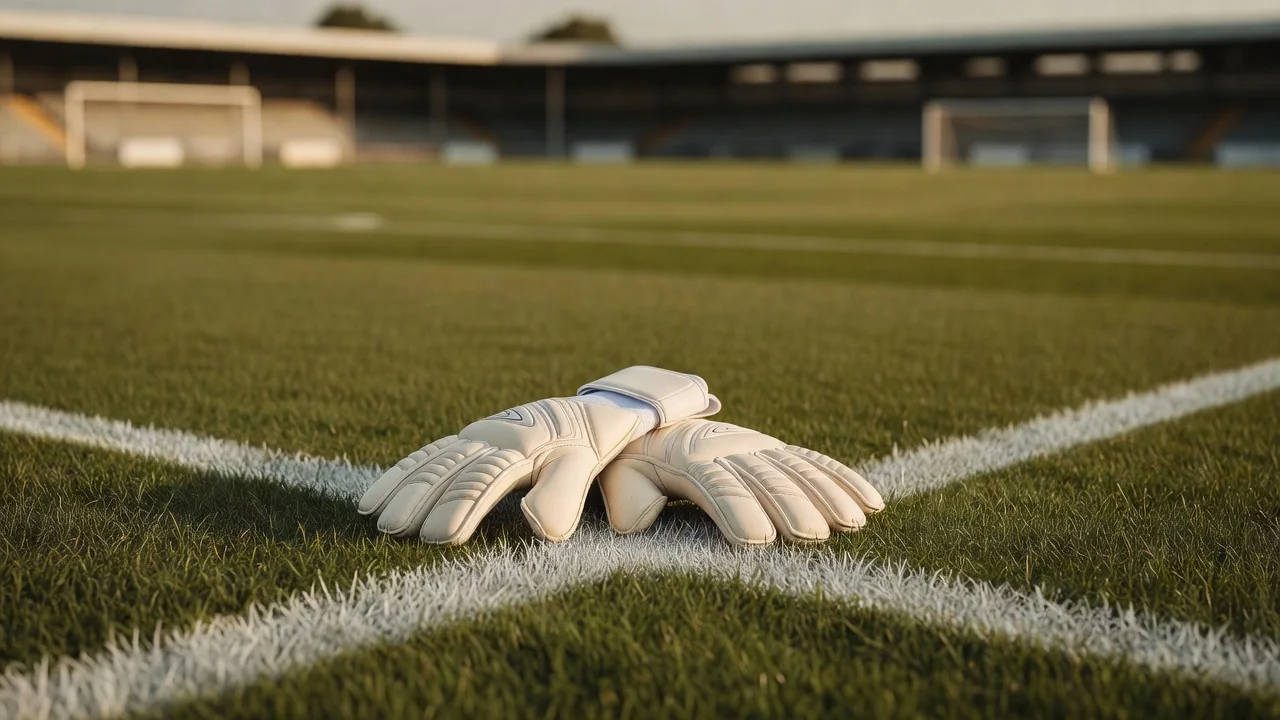
In the summer of 1992, football made one of the smallest edits in the history of its rulebook and one of the largest in the history of how it is played. From that season, goalkeepers were forbidden to handle a ball deliberately kicked back to them by a teammate. The back-pass rule killed time-wasting, forced keepers to become outfield-capable, and, by a direct line, produced the pressing, building-from-the-back sport we watch now.
The change was born of embarrassment. The 1990 World Cup had been a festival of negativity: 2.21 goals per game, the lowest ever, and matches strangled by defenders passing back to a keeper who simply picked the ball up, again and again, to run down the clock.
The problem the law had to kill
Through the 1980s the pass back to the keeper was football's most effective legal cheat. A team leading 1-0 could spend entire second halves recycling the ball between centre-backs and goalkeeper; the striker who chased was wasting his energy against a player allowed to use his hands. Possession statistics of the era are full of goalkeepers among a team's top pass recipients.
The lawmakers' answer, written into the laws for 1992-93, punished the offence with an indirect free-kick inside the penalty area, the most chaotic set-piece in the game. The first season under the new law produced both comedy and enlightenment: keepers sliced clearances into stands, scored comic own goals, and, within months, started practising with their feet in earnest.
- 1990 World Cup: 2.21 goals per game, the lowest average in tournament history.
- 1992: handling a deliberate kick-back banned; indirect free-kick as punishment.
- 1997: the rule extended to throw-ins received directly by the keeper.
- Euro 92, won by Denmark, was the last major tournament played under the old law.
The keeper becomes a footballer
The immediate effect was statistical: the ball stayed in play longer, matches sped up, and goal averages recovered through the mid-1990s. The strategic effect took longer to see. Once the keeper could no longer hide the ball, teams needed him to do something with it. Coaches began valuing distribution: the long accurate kick, then the short pass out, then the sweeper-keeper who starts attacks.
The lineage is direct. The law created the market for keepers with feet, which created Edwin van der Sar's calm and Victor Valdes's role at Barcelona, which peaked with Manuel Neuer, who effectively played as an eleventh outfielder for Bayern and Germany. A law written to stop time-wasting ended up redefining the position.

Pressing gets its licence
The rule also handed attackers a new weapon. A keeper receiving a back-pass under pressure was now a potential turnover, and coaches realised that pressing the build-up could win the ball thirty metres from goal. The high press, refined by Sacchi's Milan, Guardiola's Barcelona and Klopp's Dortmund and Liverpool, is unthinkable under the old law: why press a defender who can simply hand the problem to the keeper's gloves?
| Aspect | Before 1992 | After 1992 |
|---|---|---|
| Keeper's main skill | Shot-stopping, handling | Plus distribution and footwork |
| Leading 1-0 | Recycle to the keeper | Keep the ball in play, or press |
| Pressing value | Low, the pass-back was an escape | High, keeper under pressure is a risk |
| Ball in play | Shorter effective time | Measurably longer from season one |
The verdict, thirty years on
Few law changes are celebrated unanimously, but the back-pass ban comes close. It punished cynicism with the indirect free-kick, rewarded skill, and pushed the sport toward the technical, possession-based game that dominated the following decades. Purists note one cost: the art of the long game withered, and errors playing out from the back became a genre of their own.

The law's side effects produced their own highlights. Indirect free-kicks inside the box became rare collector's items, usually ending in a charged-down shot through a wall of eleven players. Goalkeeper passing numbers exploded over the decades: where a 1980s keeper might attempt ten passes a match, modern sweeper-keepers complete thirty or forty, and Ederson and Alisson turned the position into a genuine playmaking slot. The 1994 World Cup in the USA was the first played under the new law, and not coincidentally the highest-scoring since 1970.
The vault's verdict: the 1992 ban is the most successful law change football has ever made, three lines that raised the speed, skill and bravery of the entire sport, and turned the man between the posts into a player again.
Watch any modern match and the law's fingerprints are everywhere: the centre-backs split wide, the keeper stands in the centre circle, and the crowd holds its breath when the pass goes back. The 1992 edit was three lines long. The game it created is the one this whole archive chronicles.
Keep digging in the vault

Offside: From Three Men to Millimetre Lines
A law written for schoolboys in 1863 has been rewritten three times, and each rewrite changed how football is played, coached and argued about.
2026-09-01
From Zero to Five: How Substitutions Changed the Game
For the first 90 years of organised football a tired or injured player simply played on. The road from zero substitutes to five rewired tactics.
2026-08-24
From Leather to Latex: How Boots and Balls Evolved
Players once headed a ball that could weigh nearly a kilogram when soaked. Equipment changed what bodies could safely attempt on a pitch.
2026-08-21