
Brazil 1970: The Greatest Team Ever Assembled
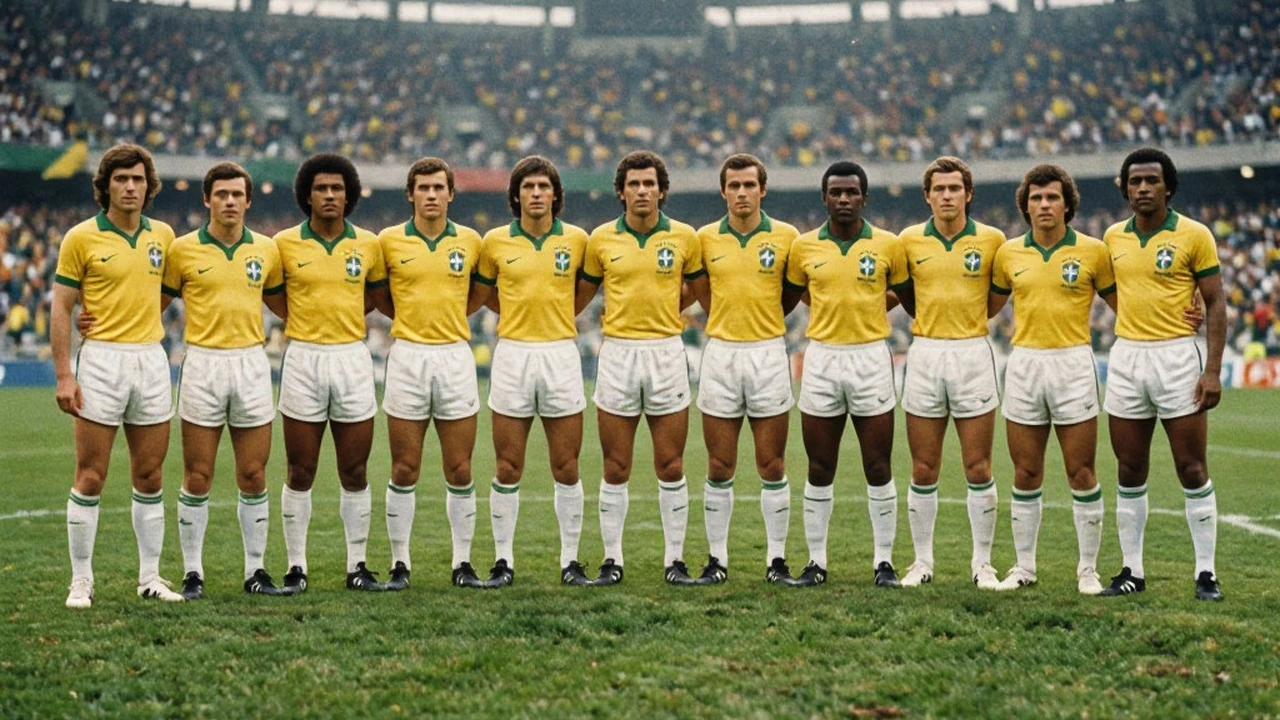
Every debate about the greatest team in football history ends at the same place: Mexico, June 1970, eleven men in yellow who won six matches out of six and finished with a goal so perfect it has its own name in Portuguese. Brazil 1970 is not just a great side; it is the yardstick every champion since has been measured against and failed to reach.
Pele, Jairzinho, Tostao, Rivelino and Gerson in the same attack, Carlos Alberto and Clodoaldo behind them, Zagallo on the bench as the first man to win the World Cup as player and coach. The 1970 team combined individuals who would each be the star of any other generation, and somehow made them greater together.
Built to attack, forced to adapt
Zagallo took over months before the tournament with a squad overloaded with number tens. His solution became tactical history: Tostao as a roaming centre-forward, Pele behind him, Rivelino moved to the left wing he did not want, Jairzinho wide right, and Gerson dictating from midfield. It looked like a 4-2-4 and behaved like a swarm.
The qualification was perfect, six wins from six, and the tournament repeated it. England, the holders, were beaten 1-0 in Guadalajara in a match remembered for Gordon Banks' impossible save from Pele's header, often called the greatest save ever made. Peru fell 4-2 in the quarter-final, Uruguay 3-1 in the semi.
- Six matches, six wins, 19 goals scored, seven conceded.
- Jairzinho scored in all six matches, seven goals, a feat no one has repeated at a World Cup.
- Pele contributed four goals and six assists across the tournament.
- Brazil won the right to keep the Jules Rimet trophy outright with this third title.
The final: Italy 1, Brazil 4
The final at the Azteca on 21 June 1970 pitted Brazil's attack against Italy's catenaccio, the philosophical summit of the era. Pele opened with a towering header on 18 minutes, his 100th? no, his fourth of the tournament, leaping over Burgnich with a hang time teammates swore he called out loud. Boninsegna equalised after a defensive error, and at half-time it was 1-1.
The second half was a coronation. Gerson drove in the second from outside the box on 66 minutes, Jairzinho bundled the third on 71, and then came the fourth, on 86 minutes. Eight Brazilians touched the ball in a move that started with Clodoaldo beating four men in his own half, travelled left, then across to Jairzinho, then to Pele, who rolled it, without looking, into the path of the arriving Carlos Alberto. The captain's shot nearly tore the net. Italy 1, Brazil 4.
The men behind the myth
What makes 1970 remarkable under scrutiny is how close it came to not happening. Tostao nearly missed the tournament with a detached retina. Gerson smoked and was considered unfit by club standards. Félix, the goalkeeper, was the acknowledged weak link. The defence conceded in five of six matches. None of it mattered because the attack scored first and scored more.
| Stage | Opponent | Score | Key scorers |
|---|---|---|---|
| Group | Czechoslovakia | 4-1 | Rivelino, Pele, Jairzinho 2 |
| Group | England | 1-0 | Jairzinho |
| Group | Romania | 3-2 | Pele 2, Jairzinho |
| Quarter-final | Peru | 4-2 | Rivelino, Tostao 2, Jairzinho |
| Semi-final | Uruguay | 3-1 | Clodoaldo, Jairzinho, Rivelino |
| Final | Italy | 4-1 | Pele, Gerson, Jairzinho, Carlos Alberto |
The case for the crown
The rivals for the title of greatest team are real: Hungary's Magyars dominated longer, Sacchi's Milan defended better, Spain 2008-12 won more consecutively, and Guardiola's Barcelona played higher up the pitch. What separates Brazil 1970 is the combination of a perfect record, the depth of genius in one squad, and the fact that it won playing the most ambitious football on show, at altitude, in heat, against the defensive champions of Europe.

The aftermath adds a layer the myth sometimes hides: Brazil did not win the World Cup again for 24 years, until 1994, and the barren decades only deepened the worship of the 1970 side. Carlos Alberto's goal has been voted the greatest team goal in World Cup history in repeated polls, and when Brazil's confederation later sold the Jules Rimet... rather, when the trophy was stolen in 1983, the 1970 generation's images became the physical memory of it. Nine of that squad later coached professionally; Zagallo alone returned to win again as assistant in 1994.
The vault's conclusion is simple: teams are remembered for trophies, but only a handful are remembered for how they won them, and Brazil 1970 sits at the top of that shorter list. Six wins, nineteen goals, one immortal move, and a standard no champion since has matched.
No champion since has won every match with that margin of artistry. France 1998 ground, Spain 2010 controlled, Argentina 2022 survived. Brazil 1970 soared, and the fourth goal in the final remains the moment the sport uses, again and again, to explain what it can be at its absolute best.
Keep digging in the vault

Real Madrid 1956-60: Five European Cups in a Row
Five finals, five wins, 20 goals in those finals. The club that turned a new competition into private property for half a decade.
2026-08-29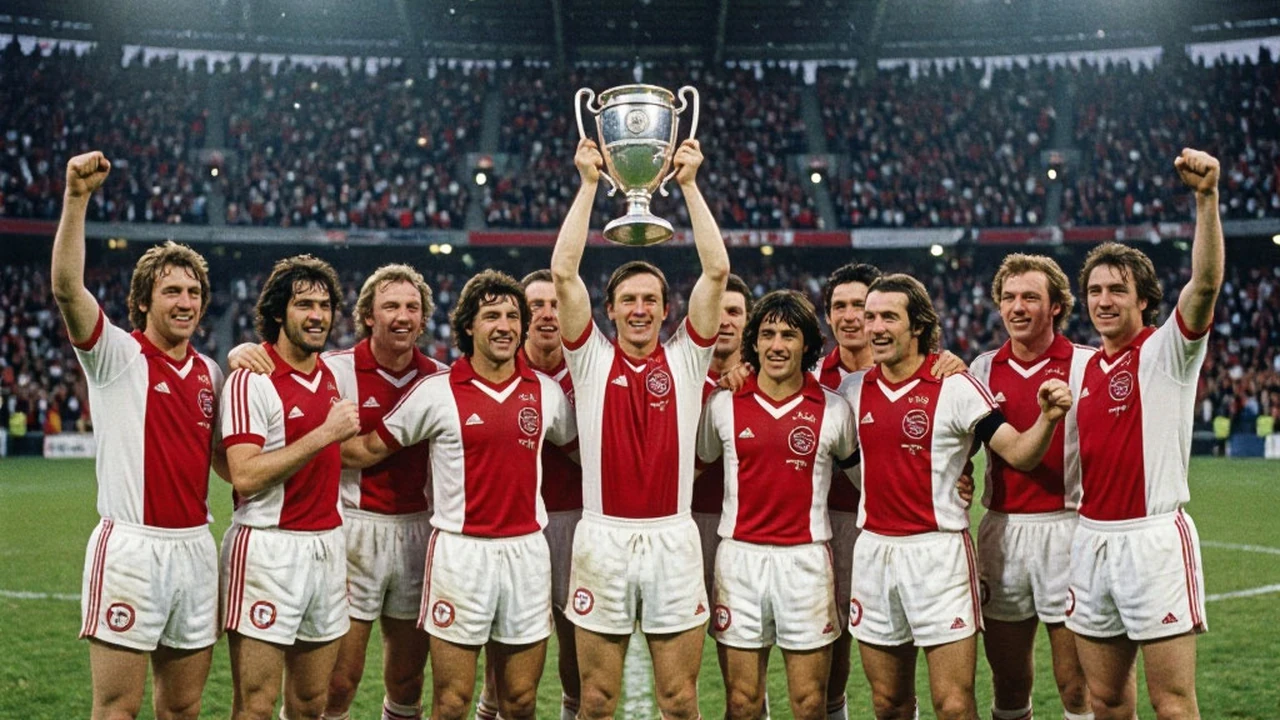
Ajax 1971-73: Total Football and the Three-Peat
A club from Amsterdam beat Inter, Juventus and Panathinaikos in three straight finals and exported a philosophy that still shapes the game.
2026-08-26
Hungary Mighty Magyars: The Team That Schooled England
For four years Hungary barely lost. Then one rainy afternoon in Bern decided how history would remember the best team to fall at the last hurdle.
2026-08-23