Maracanazo 1950: When Uruguay Silenced the Maracana
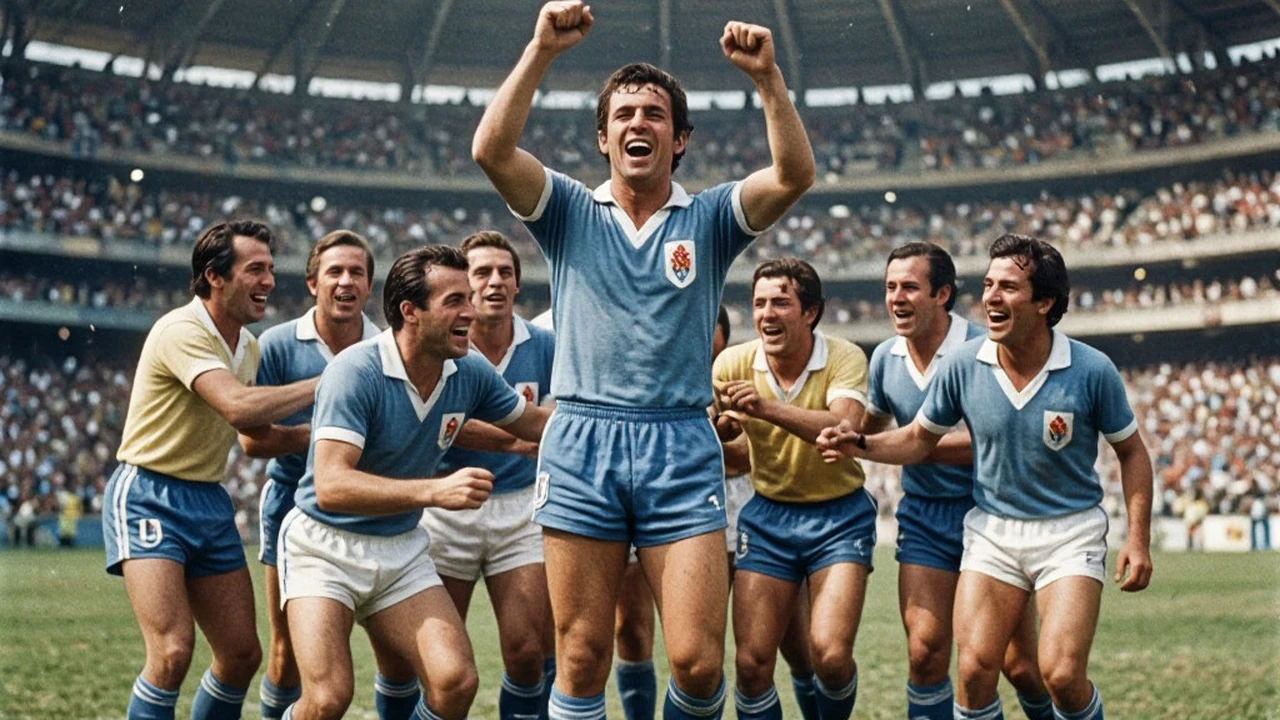
On 16 July 1950, nearly 200,000 people packed the newly built Maracana to watch Brazil collect the World Cup that everyone, including FIFA's own organisers, considered a formality. Instead, Uruguay won 2-1, and the silence that fell over the stadium became such a national trauma that Brazilians gave it its own word: the Maracanazo, the Maracana blow. It remains the most famous defeat in football history.
The match was not even a final on paper. The 1950 tournament ended with a four-team group, and the last round happened to be a decider: Brazil needed a draw, Uruguay needed a win. The whole of Rio prepared for a coronation. What it got was a ghost story that is still retold.
A tournament built for one ending
The first World Cup after the war was designed around the hosts. The Maracana, then the largest stadium on earth, was finished weeks before kick-off; Brazil's team, with Ademir, Zizinho and Jair, had swept the final round's other matches 7-1 against Sweden and 6-1 against Spain. Newspapers printed champions' editions before the game. A victory song had been composed and rehearsed.
Uruguay, Olympic champions of 1924 and 1928 and winners of the first World Cup in 1930, were given no chance. Their captain, Obdulio Varela, bought a pile of the premature champions' newspapers on the morning of the match, spread them on the bathroom floor of the team hotel and made his players walk over them, according to the story he loved to tell. Then he gave the shortest team talk on record: "Outsiders don't play. Let's start the show."
Friaca scores, and then it turns
For 47 minutes the script held. Brazil attacked in waves, Maspoli made saves, and two minutes into the second half Friaca turned in the opener: 1-0, and the Maracana erupted for the coronation at last. Uruguay, though, did not fold. Varela slowed the game deliberately, taking so long over the restart after the goal that the crowd's rhythm broke.
On 66 minutes Ghiggia escaped down the right and crossed for Schiaffino to sweep in the equaliser. The noise faltered. On 79 minutes Ghiggia went again, this time shooting instead of crossing, and beat Barbosa at his near post: 2-1. The final eleven minutes were played in what witnesses described as a silence so complete that the players could hear each other shout. When the whistle came, FIFA president Jules Rimet had to present the trophy to Varela on the pitch alone, with no ceremony prepared, because no one had planned for this.
The scapegoat and the shadow
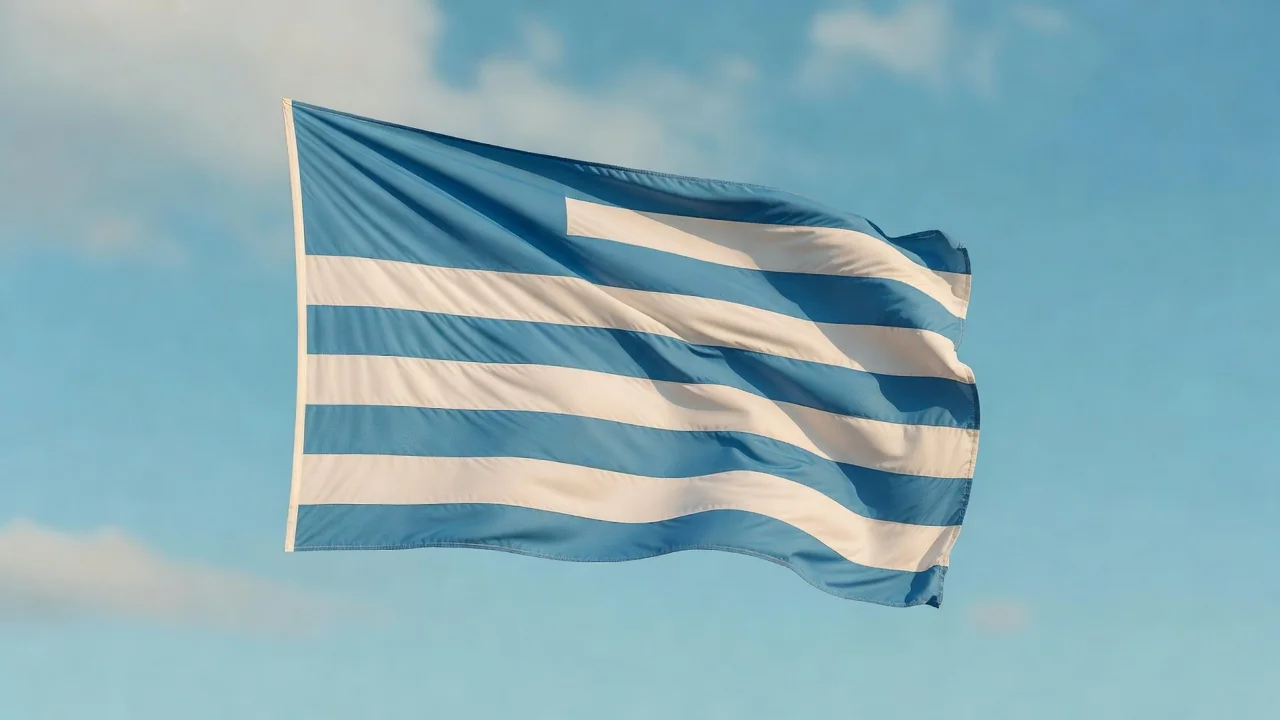
Brazilian football processed the defeat for decades, and it processed it cruelly. Moacyr Barbosa, the goalkeeper beaten at his near post, carried the blame for the rest of his life: he was turned away from a national team training camp in 1993 for fear of bad luck, and said shortly before his death in 2000 that the maximum prison sentence in Brazil was thirty years, but he had served fifty. The white shirts Brazil wore that day were burned in effigy in the press and replaced forever by the yellow and green adopted in 1953.
| Item | Detail |
|---|---|
| Date and venue | 16 July 1950, Estadio do Maracana, Rio de Janeiro |
| Official attendance | 173,850 |
| Scorers | Friaca 47; Schiaffino 66, Ghiggia 79 |
| Consequence | Uruguay's second World Cup; Brazil's first title waited until 1958 |
Why it still matters
The Maracanazo taught football that the World Cup is not won by the best attacking team but by the team that survives the day, a lesson Brazil itself applied when it finally won in 1958 behind a 17-year-old Pele and a pragmatic coach. It also created the modern mythology of the tournament: the host's burden, the crowd as a force that can turn against its own, the underdog with a plan.
- The 1950 tournament is the only World Cup decided without a true final: a four-team group replaced the knockout rounds.
- Ghiggia scored in all four of his matches at the tournament, every one a Uruguay win.
- Brazil changed their shirts from white to canary yellow after the defeat, choosing the new colours in a 1953 newspaper competition.
- Uruguay have won two World Cups, and both finals-day victories came against the host nation's favourites.
The rematches never quite settled the account. Brazil beat Uruguay in later World Cup meetings, including the 1970 semi-final, but the Maracanazo stayed untouchable because of the setting: the biggest crowd ever assembled for a football match, silenced in eleven minutes. When Brazil hosted again in 2014, the 7-1 semi-final defeat by Germany was immediately measured against 1950, and most Brazilians concluded the older wound still hurt more, because it had happened in a final, at home, in front of their own city.
Uruguay, a nation of under three and a half million, had beaten the hosts in their colosseum for a second world title, a feat of such improbability that it anchored the country's football identity forever. Alcides Ghiggia lived until 2015, the last surviving player of the match, and liked to say that only three people had ever silenced the Maracana: the Pope, Frank Sinatra, and him.
Keep digging in the vault

England 3-6 Hungary 1953: The Match That Changed Football
The Match of the Century lasted 90 minutes and ended decades of English assumptions. One number 9 who did not play like a number 9 did the damage.
2026-08-31
1966 Final: England, West Germany and the Ghost Goal
Did the ball cross the line in the 101st minute? Wembley still argues. What is not argued: Hurst remains the only man with a final hat-trick.
2026-08-24
Istanbul 2005: Liverpool and Six Minutes of Madness
3-0 down to a Milan side of Maldini, Kaka and Shevchenko. Gerrard, Smicer and Alonso scored in six minutes. Dudek did the rest in the shoot-out.
2026-08-21