
Barcelona 2008-12: Guardiola and the Passing Machine
Fourteen trophies in four seasons, including everything winnable in a single calendar year. Barcelona under Pep Guardiola from 2008 to 2012 did not merely accumulate silverware; they produced a style so dominant that opponents planned entire seasons around surviving ninety minutes against it. With Messi, Xavi and Iniesta at their peak, this was the closest club football has come to perfection.
The numbers start the argument: two Champions Leagues, three La Liga titles, the 2009 sextuple, a 5-0 against Real Madrid. The way they were won finishes it.
Guardiola's rebuild, summer 2008
Guardiola arrived from the B team and immediately moved on Ronaldinho and Deco, built the midfield around Xavi, Andres Iniesta and the then-unproven Sergio Busquets, and pushed Messi from the right wing toward the middle. The idea he inherited from Cruyff he sharpened into something more extreme: possession not as philosophy but as defence, attack and time management in one.
The first season delivered the treble, then the sextuple. The 2009 Champions League final in Rome was a 2-0 dismissal of Manchester United, holders and favourites, with Messi's rarely-seen header sealing it. By December, Barcelona had also taken the Spanish and European Super Cups and the Club World Cup: six competitions entered, six won.
- 2009: La Liga, Copa del Rey, Supercopa, Champions League, UEFA Super Cup, Club World Cup.
- 2011 Champions League: a 3-1 win over Manchester United at Wembley many call the finest final performance of the century.
- La Liga 2010 with 99 points, a record at the time.
- Messi won four consecutive Ballons d'Or, 2009 to 2012.
The 5-0 and the Wembley masterclass
Two matches define the era's peak. The 5-0 Clasico of November 2010, Jose Mourinho's first visit to the Camp Nou as Real Madrid coach, was a humiliation so complete that Xavi and Iniesta seemed to be playing a different sport; the fifth goal, finished by Jeffren after a move of nearly forty passes, drew applause from a stadium that had stopped celebrating and started marvelling.
The 2011 final at Wembley was the style's thesis defence. United, champions of England, were passed into exhaustion: Pedro opened, Rooney equalised briefly, and second-half goals from Messi and Villa made it 3-1. Sir Alex Ferguson said afterwards it was the best side he had ever faced. Barcelona completed 777 passes that night; United managed 357.

La Masia as the engine
The side's spine cost almost nothing. Valdes, Puyol, Pique, Busquets, Xavi, Iniesta, Messi and Pedro all came through La Masia, the academy Cruyff had reorganised two decades earlier so that every age group played the same way. When Guardiola needed a full-back he promoted one; when he needed a false nine he already had the best player in the world trained since thirteen to find space between lines.
| Season | Major trophies | League points |
|---|---|---|
| 2008-09 | La Liga, Copa del Rey, Champions League | 87 |
| 2009-10 | La Liga | 99 |
| 2010-11 | La Liga, Champions League | 96 |
| 2011-12 | Copa del Rey | 91 |
Why it ended, and what it left
The machine's decline was physical before it was tactical. Opponents learned to defend the false nine with deep, narrow blocks, the pressing lost half a step as the core aged, and Chelsea's 2012 semi-final ambush, one goal against 46 shots over two legs, announced that even perfection had a counter. Guardiola stepped away exhausted in April 2012.
The 2009 run nearly died in the semi-final: Chelsea held Barcelona 0-0 at the Camp Nou and led 1-0 at home deep into stoppage time before Iniesta's 93rd-minute equaliser sent the Catalans through on away goals, the single most important kick of the Guardiola era. The academy's harvest went beyond Barcelona: seven players from La Masia started the 2010 World Cup final for Spain, with Iniesta scoring the winner, meaning the club's school effectively decided a world title as well.
The vault's final measure is imitation: within five years of the sextuple, Bayern hired Guardiola, Spain won a World Cup with Barcelona's spine, and half of Europe's academies rewrote their coaching manuals around positional play. Teams win trophies every season; very few rewrite how the sport is taught, and that is the column where the 2008-12 Barcelona stand alone.
The inheritance is everywhere: City, Bayern and the Spanish national team that won two Euros and a World Cup between 2008 and 2012 with six of the same starters. Possession football has since been declared dead several times, usually by teams that then lose to it. The 2008-12 Barcelona remain the standard against which beautiful dominance is measured, and the answer to anyone who claims you cannot win everything by keeping the ball.
Keep digging in the vault
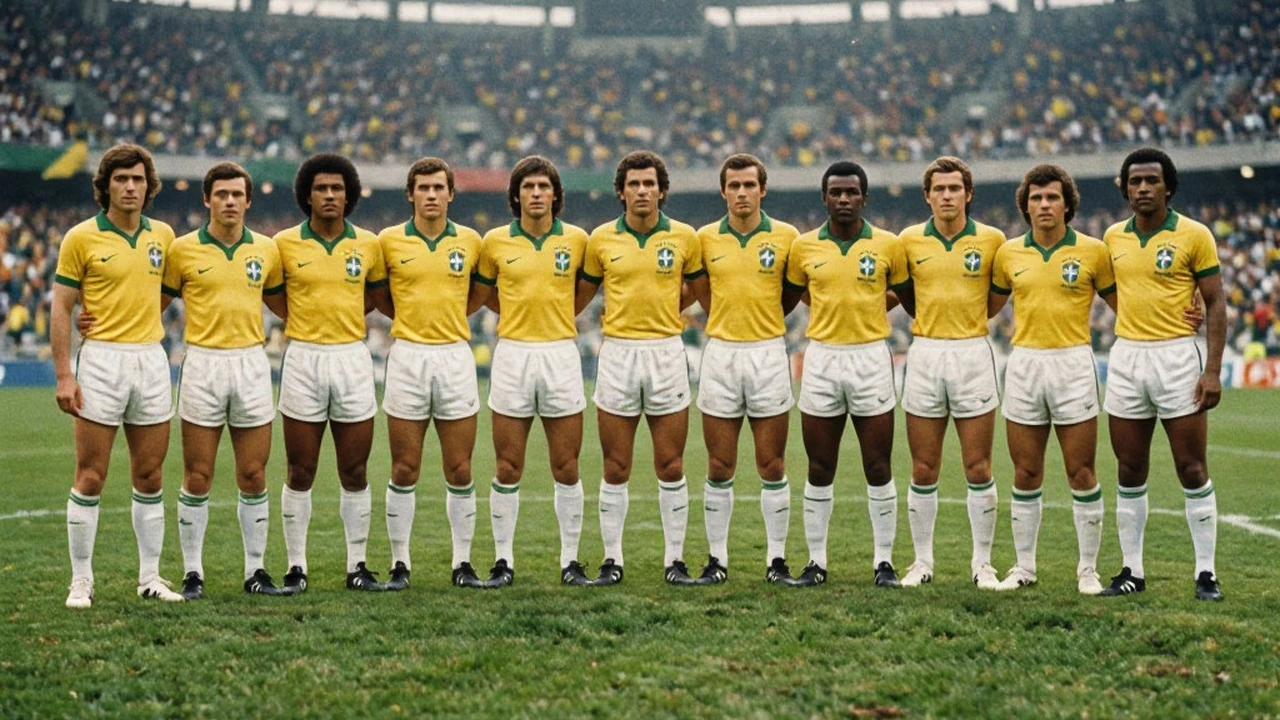
Brazil 1970: The Greatest Team Ever Assembled
Six matches, six wins, 19 goals and a final that ended with the most famous team goal ever scored. The 1970 Brazil side set the bar.
2026-09-01
Real Madrid 1956-60: Five European Cups in a Row
Five finals, five wins, 20 goals in those finals. The club that turned a new competition into private property for half a decade.
2026-08-29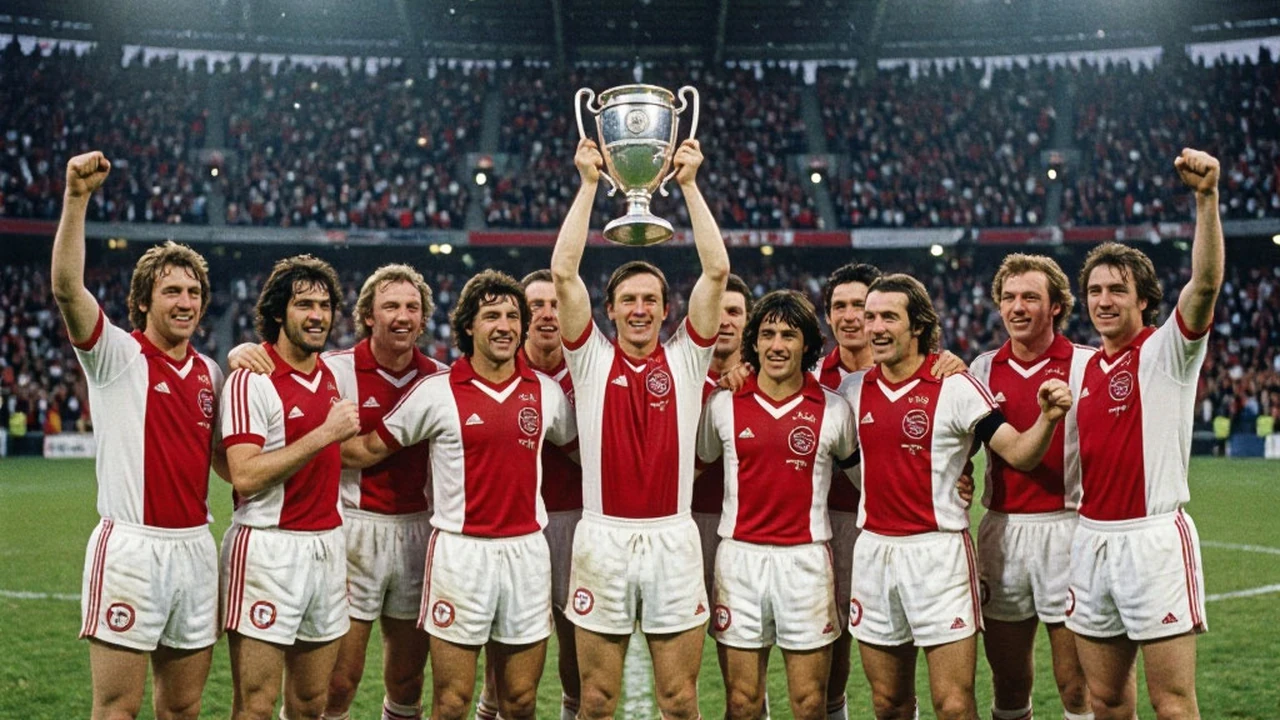
Ajax 1971-73: Total Football and the Three-Peat
A club from Amsterdam beat Inter, Juventus and Panathinaikos in three straight finals and exported a philosophy that still shapes the game.
2026-08-26